
A new era for Indonesia’s coconut industry
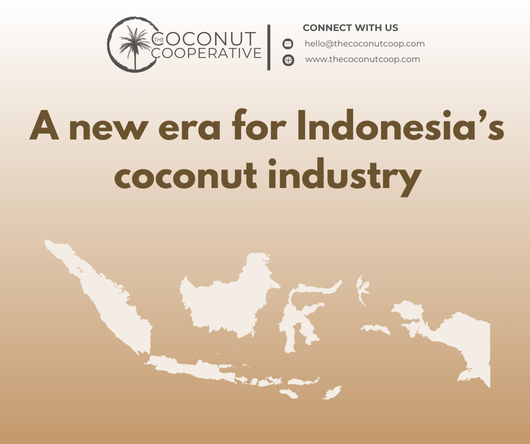
Indonesia, renowned for its lush coconut plantations, is one of the world’s largest coconut producers. However, the country faces stiff competition in the global coconut market from nations like the Philippines, Thailand, and Vietnam.
To address these challenges and maximize the potential of its coconut industry, Indonesia is set to launch a comprehensive downstream roadmap. This initiative aims to transform the sector by increasing value addition and boosting competitiveness.
The importance of the coconut industry in Indonesia

The coconut industry plays a pivotal role in Indonesia’s economy. As one of the world’s leading producers, the country supplies a wide array of coconut-based products, including coconut oil, coconut water, desiccated coconut, and coconut sugar. These exports contribute significantly to foreign exchange earnings and support millions of livelihoods, particularly in rural areas.
Despite this, much of the coconut trade relies on raw materials, which fetch lower prices compared to processed products. The downstream roadmap seeks to shift this dynamic by focusing on value-added processing, which promises higher revenue and economic resilience.
What are the challenges facing the coconut industry?
Indonesia’s coconut industry is not without hurdles. They also face the following key challenges:
- Stiff competition – Other nations with efficient processing and competitive pricing are vying for dominance in the global market.
- Raw material supply – Seasonal fluctuations and pricing issues hinder consistent production.
- Limited infrastructure – A lack of advanced processing facilities reduces the ability to diversify products and meet global standards.
These challenges underline the need for innovation and strategic interventions to secure Indonesia’s place as a leader in the coconut sector.
Overview of the downstream roadmap
The downstream roadmap is a transformative strategy designed to harness the full potential of Indonesia’s coconut industry. Its primary objectives include:
- Enhancing value addition – Encouraging the production of high-value products such as virgin coconut oil, coconut milk powder, and activated carbon.
- Expanding export markets – Strengthening Indonesia’s foothold in established markets while exploring new opportunities.
- Promoting investments – Attracting local and foreign investments in advanced coconut processing technologies.
The roadmap emphasizes collaboration between stakeholders, improved infrastructure, and the adoption of cutting-edge technology to address current gaps.
What are the benefits of the roadmap?

The implementation of the roadmap is expected to yield several advantages, such as:
- Economic growth – Value-added products will generate higher export revenues.
- Support for farmers – Better market access and stable pricing mechanisms will empower local farmers.
- Employment opportunities – New processing facilities will create jobs and boost local economies.
- Global competitiveness – The focus on innovation and product diversification will elevate Indonesia’s standing in the international market.
The role of the government and stakeholders
To ensure the roadmap’s success, the government has committed to supporting the industry through the following measures:
- Incentives for investors – Tax breaks and subsidies for those investing in processing facilities.
- Infrastructure development – Establishing processing hubs in coconut-rich regions.
- Collaboration – Building partnerships with private enterprises and local communities to achieve shared goals.
Implications for the global coconut market

Indonesia’s roadmap has far-reaching implications for the global coconut market. As the country shifts its focus to high-value products, global competition may intensify.
At the same time, Indonesia’s advancements could pave the way for new partnerships and trade opportunities, ultimately reshaping market dynamics.
Conclusion: Shaping Indonesia’s coconut sector

The launch of Indonesia’s coconut industry downstream roadmap marks a pivotal step toward unlocking the sector’s untapped potential. By prioritizing innovation, value addition, and collaboration, the roadmap aims to secure Indonesia’s position as a leader in the global coconut market.
As the roadmap unfolds, the transformation promises to benefit not only the nation’s economy but also the millions of farmers and workers whose livelihoods depend on this vital industry.
Call to action

Stakeholders across the coconut supply chain are encouraged to support this initiative. By embracing sustainable practices, investing in innovation, and fostering collaboration, Indonesia can ensure the long-term success of its coconut industry while setting a benchmark for other nations to follow.
Click here to learn more about our wide selection of all organic coconut products and ingredients. For more information and partnership queries, please contact us.
References and resources

- Coco World Agrinesia (2024) – Indonesia to launch coconut industry downstream roadmap amidst tight competition.
- Indonesia Business Post (2024) – Indonesia to launch coconut industry downstream roadmap amidst tight competition.
- Samuel Sekuritas Indonesia (2024) – DAILY ECONOMIC INSIGHTS.


