
Business insights: Key trends and challenges in the coconut industry

The global coconut industry plays a significant role in the economy, especially in tropical countries like the Philippines, Indonesia, and India, where the coconut tree has long been a valuable resource. As the demand for coconut-based products continues to rise in the US market, coconut-derived ingredients such as coconut oil, milk, water, and sugar are gaining popularity. This growth can be attributed to shifting consumer preferences for healthier, plant-based alternatives and the expanding use of coconuts across multiple industries, including food, beverage, and personal care.
In this blog, The Coconut Cooperative looks at the economic impact of coconut exports, the challenges facing the coconut industry, and the opportunities for growth in this thriving market.
The economic impact of coconut exports

The Philippines is the world’s largest exporter of coconuts, followed by Indonesia and India. These countries produce millions of tons of coconuts each year, with a significant portion destined for international markets. In 2023, the global coconut products market was valued at over $4 billion, and it is expected to grow at a compound annual growth rate (CAGR) of 9.98% from 2024 to 2029.
In the US, coconut products have become a staple for health-conscious consumers looking for plant-based, sustainable ingredients. US imports of coconut water, oil, and other derivatives continue to rise, driven by consumer demand for clean-label and functional foods.
The expanding market for plant-based foods and beverages, along with coconut’s growing popularity in the beauty and wellness industries, makes the US a key player in the global coconut trade.
What are the key challenges facing the coconut industry?

Despite its growth, the coconut industry faces several challenges that could impact its future trajectory.
Climate change and weather events
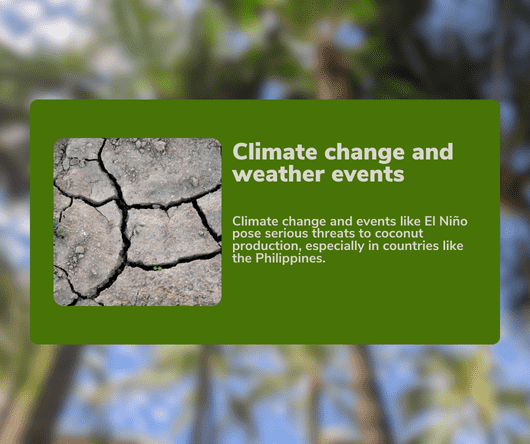
The impact of climate change on coconut production is a significant concern, particularly in countries like the Philippines, where unpredictable weather patterns and natural disasters such as typhoons can devastate coconut farms.
Furthermore, the El Niño weather phenomenon is expected to have long-term effects on coconut yields, as droughts reduce the availability of water for cultivation.
Labor shortages

Younger generations in coconut-producing regions are increasingly turning away from agriculture in favor of urban jobs. This has led to a labor shortage in coconut farming, which affects productivity and the sustainability of the industry.
Market competition
Other plant-based alternatives like almond and oat milk continue to gain ground in the US market. As these products compete for shelf space, coconut-based products must differentiate themselves through innovation and quality.
Trade barriers
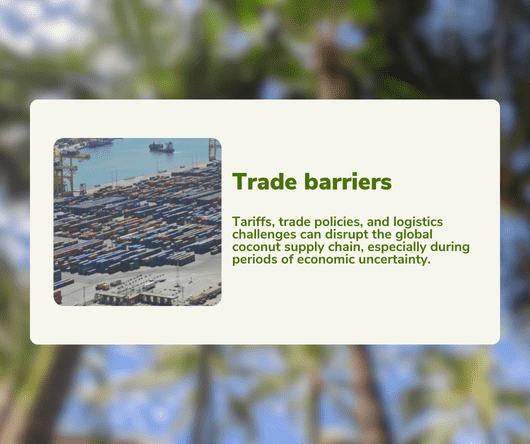
Tariffs, trade policies, and logistical challenges also play a role in the coconut industry’s global supply chain. Export restrictions and high transportation costs can hinder the flow of coconut products, particularly in times of global economic uncertainty.
Opportunities for growth in the coconut market

While challenges persist, there are several opportunities for growth in the coconut industry that can help drive its future success.
Sustainability trends
- As consumers continue to prioritize sustainability, coconut products are becoming more appealing due to their eco-friendly nature.
- From biodegradable packaging to coconut coir used in construction, the by-products of coconut farming offer new opportunities for eco-conscious businesses.
- Brands can capitalize on the growing demand for zero-waste, sustainable products, which aligns with both consumer preferences and environmental goals.
Diversification of coconut offerings
- Coconut-based products are expanding beyond their traditional uses.
- In the food and beverage sectors, companies are introducing coconut-based proteins, dairy alternatives like coconut yogurt, and low-glycemic sweeteners such as coconut sugar.
- These new offerings cater to the rise of plant-based diets and health-conscious consumers.
- Meanwhile, the personal care market continues to embrace coconut oil for its hydrating and anti-aging properties, offering further opportunities for growth..
Technological advances
- Advancements in farming technology, such as precision agriculture, are helping farmers improve yields and reduce waste.
- New processing techniques also allow for higher-quality products, making coconut-based ingredients even more attractive to consumers.
- Investing in these technologies could enhance the efficiency and sustainability of coconut production.
The role of B2B transactions

In addition to consumer demand, the growth of the coconut market is also driven by business-to-business (B2B) transactions. Businesses that source coconut products in bulk benefit from consistent supply, cost efficiencies, and quality control.
Bulk buying trends
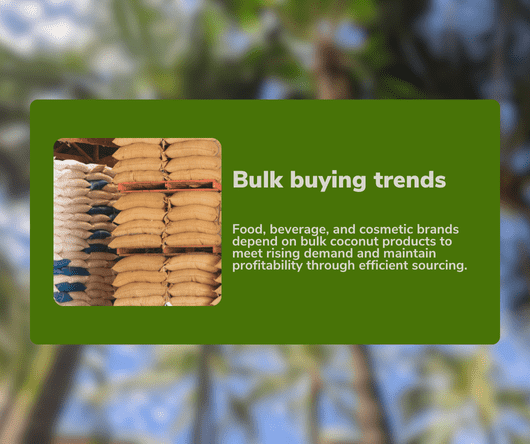
Many food manufacturers, beverage producers, and cosmetic brands rely on bulk coconut products for their recipes. Bulk purchasing ensures they can meet the growing demand for coconut-based products while maintaining profitability.
Partnership opportunities

For companies looking to enter the coconut market, forging strong partnerships with reliable suppliers is crucial. Establishing long-term relationships with coconut producers can help ensure product quality and consistency, particularly as the demand for coconut ingredients continues to rise.
Corporate responsibility initiatives
With consumers increasingly concerned about sustainability and corporate social responsibility, sourcing coconut products from companies committed to ethical practices can improve a business’s brand image.
Companies that partner with coconut producers who focus on fair labor practices and environmental stewardship can benefit from a loyal customer base that values sustainability.
Conclusion: The coconut industry’s path forward

The coconut industry presents a promising opportunity for growth, driven by consumer demand for sustainable, plant-based products and innovations across multiple sectors. While challenges such as climate change, labor shortages, and market competition remain, businesses that adapt to these changes and invest in sustainable practices can thrive in the expanding coconut market.
With increasing demand for coconut-based products, now is the perfect time for businesses to explore the potential of coconut ingredients and establish strong partnerships for long-term success.
Partner with TCC today

Join the ranks of our satisfied partners and experience the positive impact of working with us.
Ready to take the first step? Contact us today to start your partnership journey with The Coconut Cooperative. Click here for more information and to get in touch with our team.
For inquiries and further engagement, please contact us at:
- Email: hello@thecoconutcoop.com
- Phone: (347) 927 8948
- Website: https://thecoconutcoop.com.
References and resources

- Coherent Market Insights (2023) – Coconut Products Market Size and Trends.
- Data Insights Market (2024) – Coconut Products Market 2024-2032 Overview: Trends, Competitor Dynamics, and Opportunities.
- Research and Markets (2024) – Coconut Products – Market Share Analysis, Industry Trends & Statistics, Growth Forecasts 2019 – 2029.


