
Exotic coconut palms and coastal erosion in Guadeloupe
In a move aimed at combating coastal erosion, authorities in Guadeloupe have decided to fell exotic coconut palms lining the region’s shores. This decision is necessary to address the growing environmental challenge. It also highlights the complex interplay between nature, human activity, and the effects of climate change. With coastal erosion rapidly advancing, the felling of these iconic palms has sparked both concern and conversation about the future of the region’s ecosystem.
In this blog, The Coconut Cooperative explores the reasons behind this action, its environmental and social impacts, and broader implications for coastal management.
The role of coconut palms in coastal ecosystems
Coconut palms have long been synonymous with tropical coastal environments, often seen swaying along picturesque beaches. Ecologically, these palms play a significant role in shoreline stabilization. Their deep roots help bind the soil together, reducing the impact of tidal surges and preventing erosion.
Furthermore, they provide shelter for various species and support local biodiversity. They even contribute to the livelihoods of coastal communities through their fruit and other resources.
In Guadeloupe, these exotic coconut palms were once considered a vital part of the landscape. These exotic coconut palms contribute to the natural beauty of the coastline and protect against the destructive force of waves and storms. However, the changing environmental conditions are forcing authorities to reassess their role.
Coastal erosion in Guadeloupe
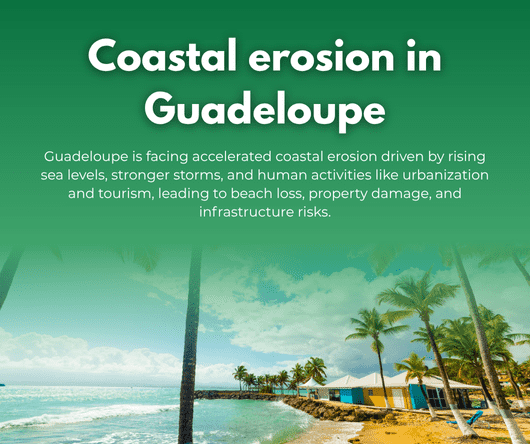
Coastal erosion is the process by which the coastline is eroded by the action of waves, currents, and tidal forces. It is a growing issue in Guadeloupe. The Caribbean island, like many other coastal regions, has experienced accelerated erosion due to a combination of factors, including:
- Rising sea levels
- More frequent and intense storms
- Human-induced changes to the environment.
As sea levels rise due to climate change, the protective barriers of sand, coral reefs, and vegetation along the shoreline become increasingly vulnerable. In many cases, human activity has exacerbated the problem as urbanization and tourism often lead to the destruction of natural barriers that could otherwise help mitigate erosion.
In Guadeloupe, the result is clear: eroded beaches, loss of property, and heightened risks to infrastructure.
The decision to fell exotic coconut palms
Despite their iconic status, the coconut palms in question are not native to the region. These exotic species were introduced to Guadeloupe many years ago for aesthetic and agricultural purposes. While they initially helped protect the coastline, their effectiveness in preventing erosion has been called into question.
Exotic species like these often fail to adapt as well as native plants to the specific environmental conditions of a region. The roots of these coconut palms are not as effective in stabilizing the soil as those of native species, which are better suited to the unique coastal conditions of Guadeloupe.
In light of this, local authorities have decided to fell the palms and replace them with native vegetation that is better equipped to withstand the forces of coastal erosion. This move is part of a broader strategy to enhance the island’s resilience to climate change while maintaining the natural beauty of its coastlines.
Potential environmental and social impacts
The removal of these palms comes with both positive and negative consequences. Replacing exotic palms with native species can lead to a more sustainable and resilient coastal ecosystem. Native plants are better suited to the region’s soil and climate. They provide improved protection against erosion and support local wildlife.
However, the social and economic implications are significant. Many coastal communities in Guadeloupe rely on the coconut palms for various uses, from food products, such as coconut water and coconut oil, to materials for construction and crafts. The felling of these palms may disrupt these industries, requiring local businesses to adapt to the changes in the landscape.
Additionally, the visual impact of removing such iconic trees could affect the tourism industry, which thrives on the island’s tropical allure. The balance between environmental restoration and economic dependence on these palms presents a challenging dilemma for both policymakers and local residents.
Broader implications for coastal management
The situation in Guadeloupe is not unique. Coastal regions around the world are grappling with similar challenges, particularly in the face of rising sea levels and intensified storms linked to climate change. The decision to fell exotic coconut palms underscores the need for adaptive coastal management strategies that account for both environmental and socio-economic factors.
Best practices for managing coastal erosion include:
- Restoring natural habitats
- Reinforcing infrastructure
- Employing sustainable coastal development strategies.
In Guadeloupe, the replacement of exotic coconut palms with native species represents a proactive approach to restoring the island’s coastal resilience. However, the process requires ongoing research and community involvement. This is to ensure meeting the needs of both the environment and local populations.
Conclusion: Restoring coastlines through adaptive, sustainable solutions
Guadeloupe’s decision to fell exotic coconut palms as a response to coastal erosion is a reminder of the pressing environmental challenges facing coastal regions worldwide. While this action may seem drastic, it is necessary to ensure long-term sustainability and resilience in the face of climate change. By replacing these palms with native species, the island is taking a significant step toward restoring its coastline and protecting its future.
However, the decision also highlights the delicate balance between environmental conservation and the economic and social needs of local communities. Moving forward, collaboration between governments, local residents, and environmental organizations will be crucial in ensuring that sustainable solutions are found.
The felling of these coconut palms is just one piece of the larger puzzle in the ongoing fight against coastal erosion. Yet, it serves as an important example of the need for adaptive solutions in our changing world.
References and resources

- Le Monde (2023) – Guadeloupe, a ‘jewel’ hit by climate extremes.
- RFI (2025) – Guadeloupe to fell ‘exotic’ coconut trees to stem coastal erosion.
- Yahoo News (2025) – Guadeloupe to fell ‘exotic’ coconut trees to stem coastal erosion.


