
How erratic weather impacts coconut supply chains
The global coconut industry is increasingly vulnerable to the effects of erratic weather patterns, driven by climate phenomena such as El Niño and La Niña. These unpredictable shifts are disrupting production in key coconut-producing regions, particularly the Philippines, which has a significant impact on supply chains. For businesses that rely on consistent supplies of coconut ingredients, such disruptions can pose major challenges.
In this blog, The Coconut Cooperative explores different ways in which erratic weather affects coconut supply chains and offers strategies businesses can adopt to navigate these challenges effectively.
Weather patterns and their effects on coconut supply chains
Unpredictable weather disrupts coconut flowering and fruit development. Prolonged droughts reduce water availability, while excessive rainfall can lead to root damage and diseases, both of which lower crop productivity.
For B2B buyers, this translates to supply volatility and inconsistent product quality.
Supply chain disruptions
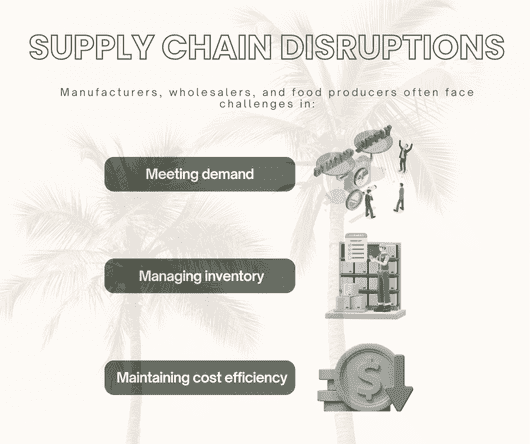
Weather-induced yield fluctuations create supply shortages, driving up raw material costs. This, in turn, affects pricing, production schedules, and global exports.
Manufacturers, wholesalers, and food producers often face challenges in:
- Meeting demand
- Managing inventory
- Maintaining cost efficiency.
Smaller suppliers may struggle to fulfill large contracts, leading to delays and operational disruptions.
Adapting to climate challenges in B2B operations
Businesses can mitigate risks by diversifying sourcing regions, securing supply contracts early, and building strong relationships with reliable suppliers.
Furthermore, implementing flexible procurement strategies and maintaining buffer stock can help manage supply fluctuations. Staying informed about weather forecasts and market trends is also crucial for proactive planning.
Conclusion: Advantage for businesses
At The Coconut Cooperative, we collaborate with trusted suppliers to ensure consistent access to high-quality coconut ingredients despite climate challenges.
Our proactive approach to supply chain management helps businesses maintain operational stability. Contact us to discuss how we can support your sourcing needs and secure reliable coconut ingredient supplies in a changing environment.
References and resources

- Ksapa (2024) – Challenges and Transformations of the Global Coconut Value Chain.
- OilCocos (2024) – The Impact of Climate Change on Desiccated Coconut Production.
- Pathmeswaran, C. et al. (2018) – Impact of extreme weather events on coconut productivity in three climatic zones of Sri Lanka.
- Southeast Asian Regional Center for Graduate Study and Research in Agriculture (2023) – Quezon farmers struggle for climate climate-resilient coconut industry.
Related blogs

- The Coconut Cooperative (2024) – How to choose the best coconut supplier for your business.
- The Coconut Cooperative (2024) – Navigating challenges and embracing opportunities in the coconut industry.
- The Coconut Cooperative (2024) – Sustainable excellence: The Coconut Cooperative’s commitment to organic coconut ingredients.
- The Coconut Cooperative (2024) – Navigating coconut supply chain challenges during El Niño.
- The Coconut Cooperative (2025) – Climate change and its impact on global coconut production.


