

How are coconut products shaping US lifestyles this 2025?
The popularity of coconut products in the US has grown exponentially over the past decade. From coconut water to coconut flour, these versatile products have found their way into kitchens, fitness routines, and beauty regimens.
Behind this surge lies a shift in consumer preferences toward health-conscious choices, sustainability, and plant-based lifestyles. Join us as The Coconut Cooperative explores how consumer trends and product attributes are driving the consumption of coconut-based products in the US.
The range of coconut products
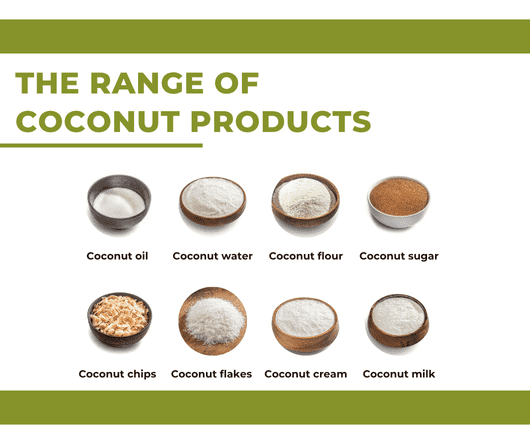
Coconut products cater to a variety of dietary and lifestyle needs. Some of the most popular options include:
- Coconut oil
- Coconut water
- Coconut flour
- Coconut sugar
- Coconut chips
- Coconut flakes
- Coconut cream
- Coconut milk.
Coconut product features
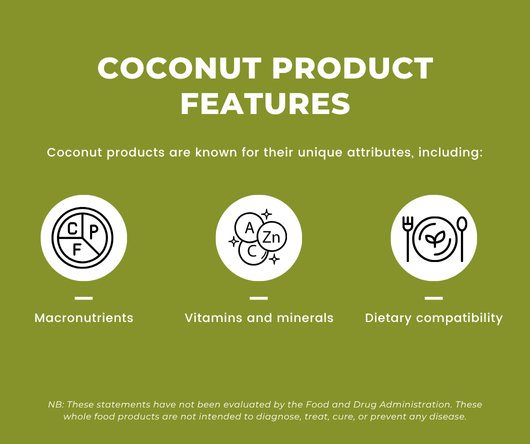
Coconut products are known for their unique attributes, including:
Macronutrients
- Coconut oil and milk contain fats, which provide flavor and texture to various dishes.
- Coconut flour is a high-fiber product, often chosen for its texture in baking.
Vitamins and minerals
- Coconut water is naturally high in potassium.
- Other coconut products contain trace amounts of essential minerals, such as manganese.
Dietary compatibility
- Many coconut products are dairy-free and vegan.
- This makes them suitable for various diets and preferences.
NB: These statements have not been evaluated by the Food and Drug Administration. These whole food products are not intended to diagnose, treat, cure, or prevent any disease.
What are the trends influencing coconut product consumption?
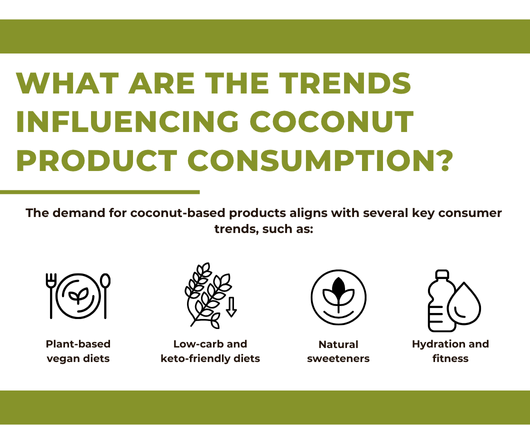
The demand for coconut-based products aligns with several key consumer trends, such as:
- Plant-based vegan diets
- Low-carb and keto-friendly diets
- Natural sweeteners
- Hydration and fitness.
Plant-based vegan diets
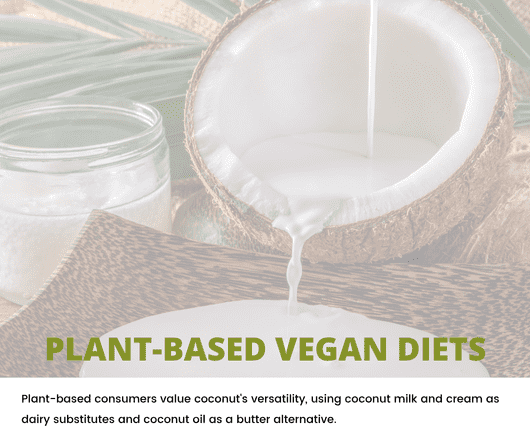
Consumers shifting to plant-based lifestyles appreciate coconut’s versatility. Some consumers often use coconut milk and cream as dairy substitutes, while others utilize coconut oil as a common alternative to butter in cooking and baking.
Low-carb and keto-friendly diets
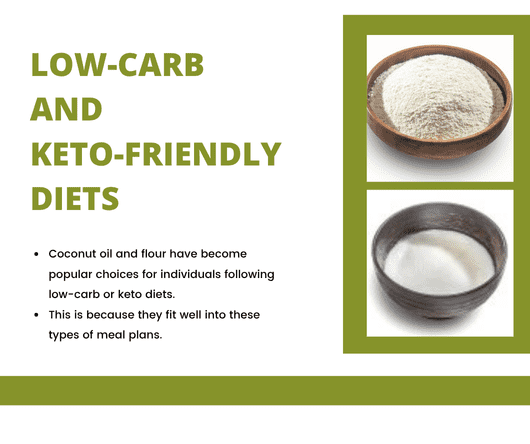
Coconut oil and flour have become popular choices for individuals following low-carb or keto diets. This is because they fit well into these types of meal plans.
Natural sweeteners

Coconut sugar has emerged as an alternative to refined sugars. While it still contains sugar, it is seen by some consumers as a more natural option.
Hydration and fitness
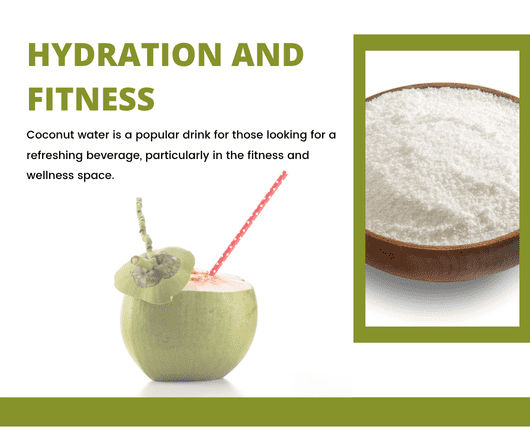
Coconut water is a popular drink for those looking for a refreshing beverage, particularly in the fitness and wellness space.
The future of coconut products in the US
As the market continues to grow, innovation will play a significant role. Potential developments include:
- Functional coconut beverages with added nutrients
- Coconut-based snacks designed to meet the demands of wellness-focused consumers
- Enhanced packaging solutions that highlight sustainability and transparency.
Conclusion: Embracing coconuts in modern lifestyles

The growing interest in coconut products reflects their broad appeal in modern diets and lifestyles. Their versatility, coupled with their compatibility with various dietary preferences, positions them as popular choices among consumers.
By focusing on sustainability and offering a range of product options, businesses can tap into the potential of the coconut market while staying transparent and compliant.
References and resources

- Bonafide Research (2025) – North America Coconut Products Market Size, Share, Analysis, Trends.
- Grand View Research, Inc.(2025) – US Coconut Products Market Size & Outlook, 2022-2030.
- MarketResearch.biz (2023) – Coconut Products Market.
- Mordor Intelligence (2023) – Coconut Market Size – Industry Report on Share, Growth Trends & Forecasts Analysis (2025 – 2030).


